This Thread Blows - C19 and beyond

I think the media hype is warranted. The less people that have it, the better. Otherwise hospital systems will be overwhelmed and the doctors will have to decide who gets intubated and who dies because there aren't enough vents to go around. Just like they're doing in Italy right now.
 
I think the media hype is warranted. The less people that have it, the better. Otherwise hospital systems will be overwhelmed and the doctors will have to decide who gets intubated and who dies because there aren't enough vents to go around. Just like they're doing in Italy right now.
Yup, this is likely going to be a concern. It’s almost a good deal to get it early, before there’s a run on the resources.
 
I have a customer who is a muckty muck at J&J. He attends those big WHO meetings every year in Switzerland etc.. he says that this guy is legit.

No offense to the muckity mucks, but I work in the industry, and the higher up you go, the less they know about the actual science. The people that know shit are doing the down and dirty research. Also, no one who makes any type of public statement is going to give you anything less than the old "end is near" prediction.
 
My company is working from home going forward. Read a sobering account on Newsweek. Copying it here. Take it the way you want.


Young and unafraid of the pandemic? Good for you. Now stop killing people.

March 11, 2020

I'm a doctor in a major hospital in Western Europe. Watching you Americans (and you, Brits) in these still-early days of the coronavirus pandemic is like watching a familiar horror movie, where the protagonists, yet again, split into pairs or decide to take a tour of a dark basement.

The real-life versions of this behavior are pretending this is just a flu; keeping schools open; following through with your holiday travel plans, and going into the office daily. This is what we did in Italy. We were so complacent that even when people with coronavirus symptoms started turning up, we wrote each off as a nasty case of the flu. We kept the economy going, pointed fingers at China and urged tourists to keep traveling. And the majority of us told ourselves and each other: this isn't so bad. We're young, we're fit, we'll be fine even if we catch it.

Fast-forward two months, and we are drowning. Statistically speaking—judging by the curve in China—we are not even at the peak yet, but our fatality rate is at over 6 percent, double the known global average.

Put aside statistics. Here is how it looks in practice. Most of my childhood friends are now doctors working in north Italy. In Milan, in Bergamo, in Padua, they are having to choose between intubating a 40-year-old with two kids, a 40-year old who is fit and healthy with no co-morbidities, and a 60-year-old with high blood pressure, because they don't have enough beds. In the hallway, meanwhile, there are another 15 people waiting who are already hardly breathing and need oxygen.

The army is trying to bring some of them to other regions with helicopters but it's not enough: the flow is just too much, too many people are getting sick at the same time.

We are still awaiting the peak of the epidemic in Europe: probably early April for Italy, mid-April for Germany and Switzerland, somewhere around that time for the UK. In the U.S., the infection has only just begun.

But until we're past the peak, the only solution is to impose social restrictions.

And if your government is hesitating, these restrictions are up to you. Stay put. Do not travel. Cancel that family reunion, the promotion party and the big night out. This really sucks, but these are special times. Don't take risks. Do not go to places where you are more than 20 people in the same room. It's not safe and it's not worth it.

But why the urgency, if most people survive?

Here's why: Fatality is the wrong yardstick. Catching the virus can mess up your life in many, many more ways than just straight-up killing you. "We are all young"—okay. "Even if we get the bug, we will survive"—fantastic. How about needing four months of physical therapy before you even feel human again. Or getting scar tissue in your lungs and having your activity level restricted for the rest of your life. Not to mention having every chance of catching another bug in hospital, while you're being treated or waiting to get checked with an immune system distracted even by the false alarm of an ordinary flu. No travel for leisure or business is worth this risk.

Now, odds are, you might catch coronavirus and might not even get symptoms. Great. Good for you. Very bad for everyone else, from your own grandparents to the random older person who got on the subway train a stop or two after you got off. You're fine, you're barely even sneezing or coughing, but you're walking around and you kill a couple of old ladies without even knowing it. Is that fair? You tell me.

My personal as well as professional view: we all have a duty to stay put, except for very special reasons, like, you go to work because you work in healthcare, or you have to save a life and bring someone to hospital, or go out to shop for food so you can survive. But when we get to this stage of a pandemic, it's really important not to spread the bug. The only thing that helps is social restriction. Ideally, the government should issue that instruction and provide a financial fallback—compensate business owners, ease the financial load on everyone as much as possible and reduce the incentive of risking your life or the lives of others just to make ends meet. But if your government or company is slow on the uptake, don't be that person. Take responsibility. For all but essential movement, restrict yourself.

This is epidemiology 101. It really sucks. It is extreme—but luckily, we don't have pandemics of this violence every year. So sit it out. Stay put. Don't travel. It is absolutely not worth it.

It's the civic and moral duty of every person, everywhere, to take part in the global effort to reduce this threat to humanity. To postpone any movement or travel that are not vitally essential, and to spread the disease as little as possible. Have your fun in June, July and August when this—hopefully—is over. Stay safe. Good luck.

The author is a senior doctor in a major European hospital. She asked to remain anonymous because she has not been authorized to speak to the press.

The views expressed in this article are the author's own.

 
827 deaths in Italy. Over 6 % mortality, but, here is the important thing: though we may have a larger denominator due to undiagnosed cases, some of the diagnosed may die, increasing the numerator.
 
No offense to the muckity mucks, but I work in the industry, and the higher up you go, the less they know about the actual science. The people that know shit are doing the down and dirty research. Also, no one who makes any type of public statement is going to give you anything less than the old "end is near" prediction.

funny how the sales people end up running everything.

827 deaths in Italy. Over 6 % mortality, but, here is the important thing: though we may have a larger denominator due to undiagnosed cases, some of the diagnosed may die, increasing the numerator.

they can't get the care they need to reduce the mortality rate because of the run on the system.
That is the whole point of social distancing.
why are people missing this point?

hopefully after everyone stays home for 3 weeks, it goes down.
it is horrible. we are on that trajectory because of the 'i do what i want' and listen to the people
that tell me what i want to hear mentality.
I had a person that works in a prison want to hug me today.....i don't blame her, cause me,
but she has to give up the little pleasures for the good of society....😀
 
it isn't even necessary if there is running water and you wash your hands anyway.
eeeewwww........

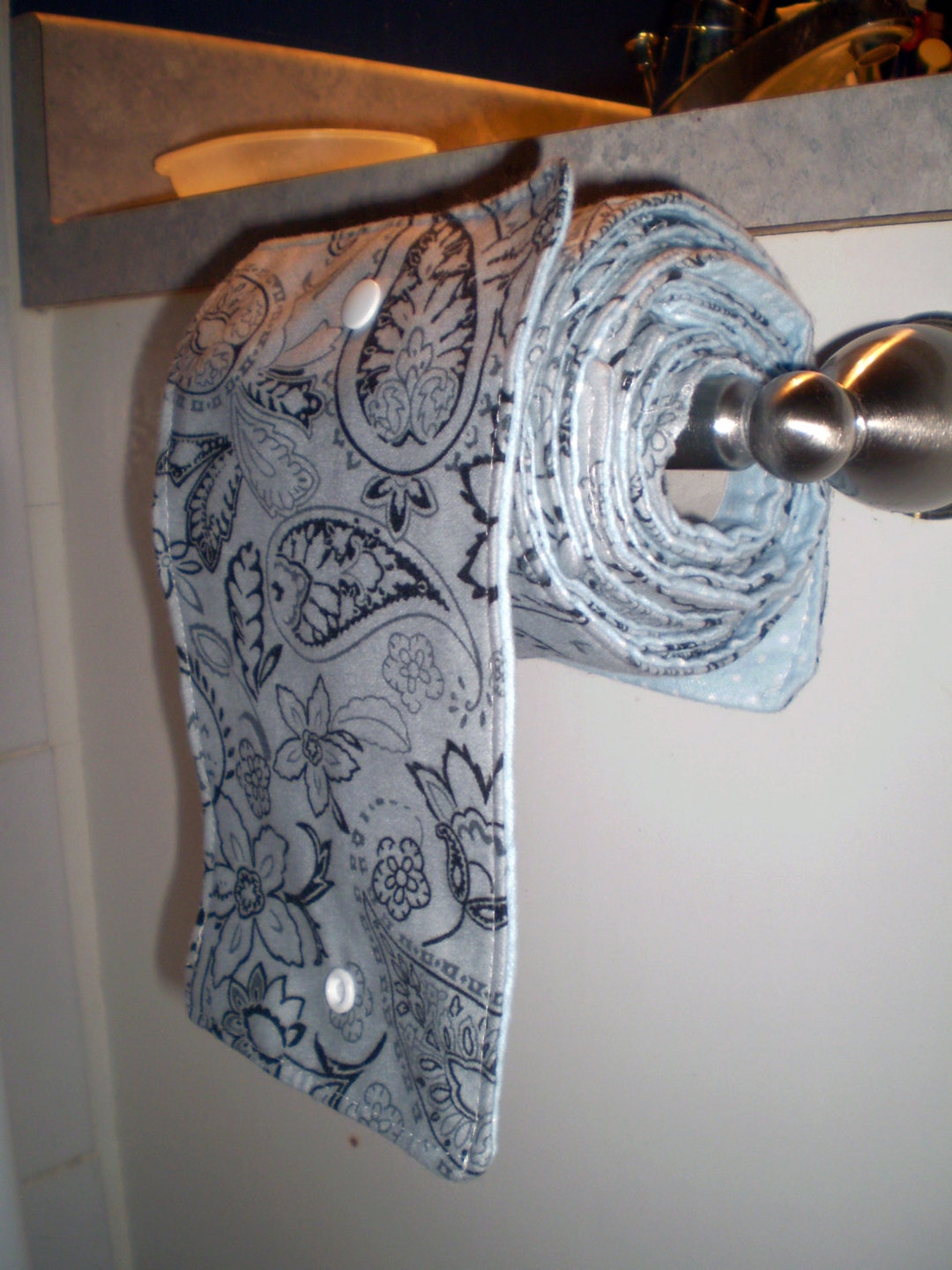
Be honest. How many of us lived in off-campus apartments in college where we went months with no TP?
 
My company is working from home going forward. Read a sobering account on Newsweek. Copying it here. Take it the way you want.


Young and unafraid of the pandemic? Good for you. Now stop killing people.

March 11, 2020

I'm a doctor in a major hospital in Western Europe. Watching you Americans (and you, Brits) in these still-early days of the coronavirus pandemic is like watching a familiar horror movie, where the protagonists, yet again, split into pairs or decide to take a tour of a dark basement.

The real-life versions of this behavior are pretending this is just a flu; keeping schools open; following through with your holiday travel plans, and going into the office daily. This is what we did in Italy. We were so complacent that even when people with coronavirus symptoms started turning up, we wrote each off as a nasty case of the flu. We kept the economy going, pointed fingers at China and urged tourists to keep traveling. And the majority of us told ourselves and each other: this isn't so bad. We're young, we're fit, we'll be fine even if we catch it.

Fast-forward two months, and we are drowning. Statistically speaking—judging by the curve in China—we are not even at the peak yet, but our fatality rate is at over 6 percent, double the known global average.

Put aside statistics. Here is how it looks in practice. Most of my childhood friends are now doctors working in north Italy. In Milan, in Bergamo, in Padua, they are having to choose between intubating a 40-year-old with two kids, a 40-year old who is fit and healthy with no co-morbidities, and a 60-year-old with high blood pressure, because they don't have enough beds. In the hallway, meanwhile, there are another 15 people waiting who are already hardly breathing and need oxygen.

The army is trying to bring some of them to other regions with helicopters but it's not enough: the flow is just too much, too many people are getting sick at the same time.

We are still awaiting the peak of the epidemic in Europe: probably early April for Italy, mid-April for Germany and Switzerland, somewhere around that time for the UK. In the U.S., the infection has only just begun.

But until we're past the peak, the only solution is to impose social restrictions.

And if your government is hesitating, these restrictions are up to you. Stay put. Do not travel. Cancel that family reunion, the promotion party and the big night out. This really sucks, but these are special times. Don't take risks. Do not go to places where you are more than 20 people in the same room. It's not safe and it's not worth it.

But why the urgency, if most people survive?

Here's why: Fatality is the wrong yardstick. Catching the virus can mess up your life in many, many more ways than just straight-up killing you. "We are all young"—okay. "Even if we get the bug, we will survive"—fantastic. How about needing four months of physical therapy before you even feel human again. Or getting scar tissue in your lungs and having your activity level restricted for the rest of your life. Not to mention having every chance of catching another bug in hospital, while you're being treated or waiting to get checked with an immune system distracted even by the false alarm of an ordinary flu. No travel for leisure or business is worth this risk.

Now, odds are, you might catch coronavirus and might not even get symptoms. Great. Good for you. Very bad for everyone else, from your own grandparents to the random older person who got on the subway train a stop or two after you got off. You're fine, you're barely even sneezing or coughing, but you're walking around and you kill a couple of old ladies without even knowing it. Is that fair? You tell me.

My personal as well as professional view: we all have a duty to stay put, except for very special reasons, like, you go to work because you work in healthcare, or you have to save a life and bring someone to hospital, or go out to shop for food so you can survive. But when we get to this stage of a pandemic, it's really important not to spread the bug. The only thing that helps is social restriction. Ideally, the government should issue that instruction and provide a financial fallback—compensate business owners, ease the financial load on everyone as much as possible and reduce the incentive of risking your life or the lives of others just to make ends meet. But if your government or company is slow on the uptake, don't be that person. Take responsibility. For all but essential movement, restrict yourself.

This is epidemiology 101. It really sucks. It is extreme—but luckily, we don't have pandemics of this violence every year. So sit it out. Stay put. Don't travel. It is absolutely not worth it.

It's the civic and moral duty of every person, everywhere, to take part in the global effort to reduce this threat to humanity. To postpone any movement or travel that are not vitally essential, and to spread the disease as little as possible. Have your fun in June, July and August when this—hopefully—is over. Stay safe. Good luck.

The author is a senior doctor in a major European hospital. She asked to remain anonymous because she has not been authorized to speak to the press.

The views expressed in this article are the author's own.

Sorry man but I couldn’t get past, “March 11, 2020”
 
Be honest. How many of us lived in off-campus apartments in college where we went months with no TP?

pick the tp locks on campus - oh, and have a roommate work in the food commons. And the infirmary.
group effort. like knowing the phone numbers for secret the modem pool. that might not be so useful now.
 
Back
Top Bottom